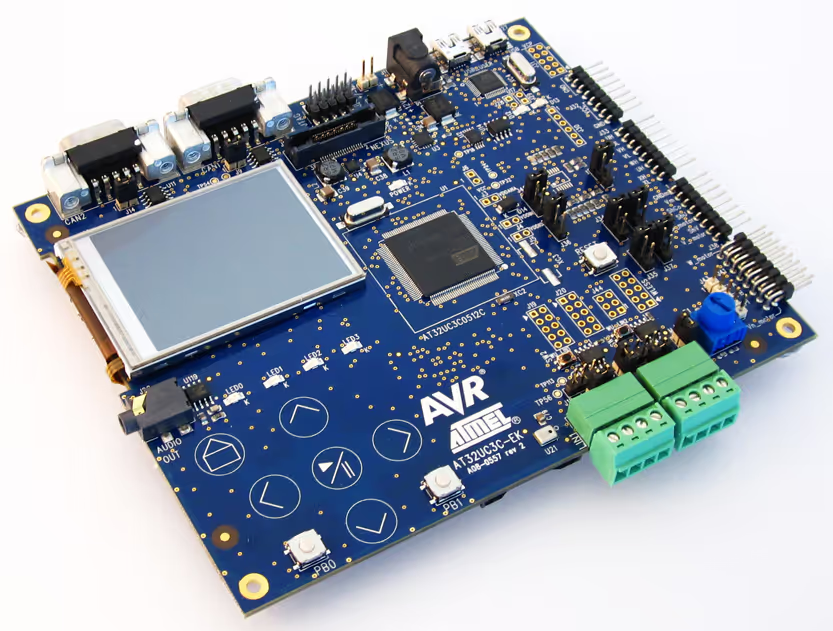
Embedded systems are an integral part of modern technology, seamlessly operating behind the scenes in countless devices. But what exactly are embedded systems, and why are they so crucial for industries ranging from automotive to healthcare? This article delves into the definition, components, and applications of embedded systems, while addressing the critical role they play in engineering and business innovation.
Defining Embedded Systems
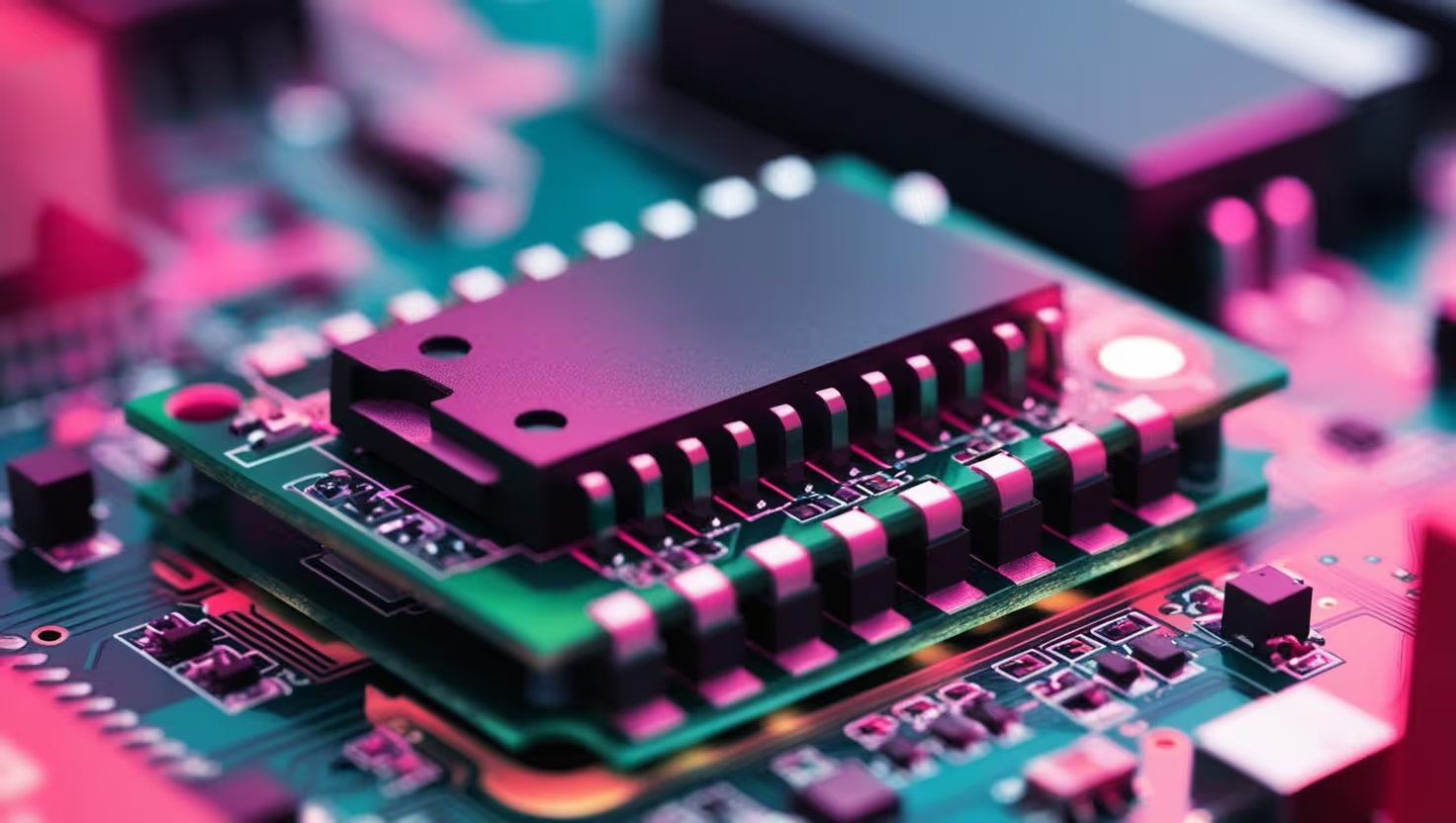
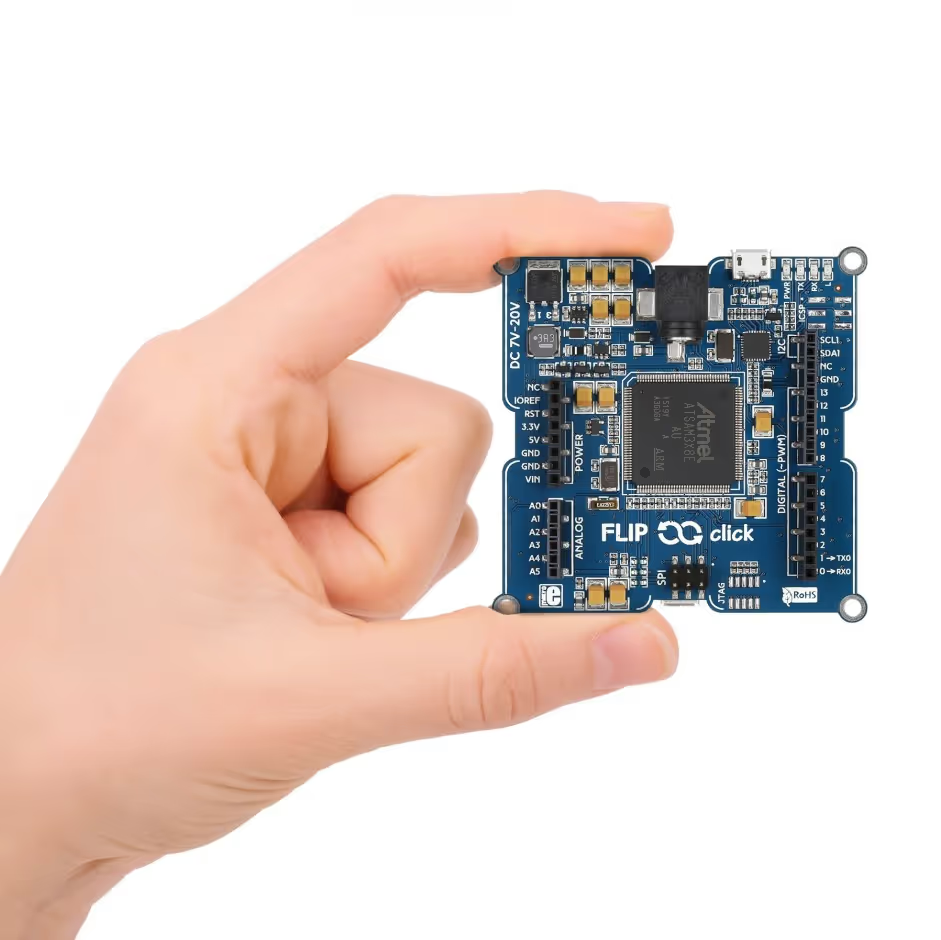
An embedded system is a dedicated computer system designed to perform a specific task or set of tasks within a larger system. Unlike general-purpose computers such as desktops or laptops, embedded systems are tailored for specific functionalities, often operating within constraints such as limited power, size, or real-time processing requirements.
Embedded systems typically consist of three primary components:
Hardware: Microcontrollers or microprocessors form the core of the hardware, supported by memory and input/output interfaces.
Software: The software layer includes firmware and operating systems optimized for the hardware’s functionality.
Real-Time Operating Systems (RTOS): In many cases, an RTOS ensures timely execution of tasks.
These systems are "embedded" into devices, making them largely invisible to users while ensuring critical operations.
A Brief History of Embedded Systems
The concept of embedded systems dates back several decades. In the 1960s, the Apollo Guidance Computer (AGC) became one of the first examples of an embedded system, guiding astronauts to the moon. Over time, advancements in microprocessor technology and software development expanded the capabilities of embedded systems, making them more versatile and accessible. Today, they are at the heart of the Internet of Things (IoT) revolution, powering smart devices and connected systems worldwide.
Examples of Embedded Systems
Embedded systems are everywhere. Here are some examples to illustrate their ubiquity:
Smart home products like thermostats and security cameras
Connected appliances
Agricultural monitoring systems
Each of these systems operates under unique constraints and requirements, tailored to its specific application.
How Do Embedded Systems Work?
Understanding how embedded systems operate requires looking at their fundamental processes. These systems combine hardware and software to perform specific functions, often in real time. Key operational aspects include:
Input Processing:some text
Sensors or other input devices collect data from the environment, such as temperature, pressure, or motion.
Data Handling:some text
The microcontroller processes data using pre-programmed instructions to make decisions or calculate results.
Output Actions:some text
Actuators or displays execute the required actions based on the processed data, such as activating a motor or displaying information on a screen.
The combination of these components ensures that the system meets its intended purpose efficiently and reliably.
The Role of an Embedded Systems Engineer
Embedded systems engineers play a pivotal role in designing, developing, and maintaining these specialized systems. Their responsibilities typically include:
Hardware Design: Selecting microcontrollers, sensors, and other components.
Software Development: Writing firmware and application code tailored to the system’s hardware.
Integration and Testing: Ensuring hardware and software work seamlessly together.
Optimization: Balancing performance with resource constraints like power and memory.
Troubleshooting: Diagnosing and resolving issues in both the hardware and software components.
Engineers must also stay updated on industry trends and technological advancements to ensure that their designs remain competitive and efficient. Given the interdisciplinary nature of their work, engineers require expertise in electronics, programming, and system design. Businesses seeking embedded systems solutions often rely on these professionals to innovate and optimize their products.
Embedded Systems in Business: Why They Matter
For businesses, embedded systems represent an opportunity to innovate, improve efficiency, and create value-added features. Here are some reasons why embedded systems are indispensable:
Customization:some text
Embedded systems can be tailored to meet specific business needs, enabling unique product features that set companies apart from competitors.
Cost Efficiency:some text
By optimizing hardware and software for specific tasks, embedded systems reduce waste and energy consumption, lowering operational costs.
Reliability:some text
These systems are often designed for robust performance, ensuring consistent operation in critical environments.
Scalability:some text
From small consumer devices to large industrial machines, embedded systems can scale to fit diverse applications.
Enabling IoT and AI:some text
Embedded systems are the backbone of IoT devices and play a crucial role in enabling AI at the edge, opening up new business opportunities.
Challenges in Embedded Systems Design
While embedded systems offer numerous advantages, they also present unique challenges. Engineers and businesses must navigate these hurdles to create effective solutions:
Resource Constraints:some text
Limited power, memory, and processing capabilities require careful optimization.
Real-Time Requirements:some text
Many embedded systems must operate in real time, necessitating precise timing and synchronization.
Security Risks:some text
As embedded systems increasingly connect to networks, they become vulnerable to cyberattacks. Robust security measures are essential.
Scalability Issues:some text
Designing systems that can scale effectively without compromising performance is a complex task.
Cost Management:some text
Balancing performance with budgetary constraints can be challenging, particularly for startups and small businesses.
Addressing these challenges requires a combination of technical expertise, strategic planning, and collaboration with experienced embedded systems engineers.
Embedded Systems Design: Key Considerations
When designing an embedded system, several factors must be considered to ensure its success:
Understanding Requirements:some text
Clearly define the system’s functionality, constraints, and performance metrics.
Component Selection:some text
Choose appropriate microcontrollers, sensors, and power sources based on the application.
Firmware Development:some text
Write efficient code that meets performance requirements while minimizing resource usage.
Security:some text
Implement robust security measures to protect against cyber threats, especially in IoT applications.
Testing and Validation:some text
Conduct thorough testing to identify and address potential issues before deployment.
Lifecycle Management:some text
Plan for future updates, maintenance, and scalability to ensure the system’s longevity.
Emerging Trends in Embedded Systems
The field of embedded systems is constantly evolving. Some of the latest trends include:
Artificial Intelligence (AI) Integration:some text
AI algorithms are increasingly being implemented in embedded systems, enabling smarter and more adaptive devices.
Edge Computing:some text
Processing data locally on embedded devices reduces latency and improves efficiency.
Miniaturization:some text
Advances in technology allow for smaller, more powerful embedded systems.
Sustainability:some text
Designing energy-efficient systems is becoming a priority to reduce environmental impact.
Open-Source Development:some text
The use of open-source software and hardware accelerates development and fosters collaboration.
Cloud Integration:some text
Cloud connectivity for embedded systems facilitates centralized data analysis and remote monitoring, making devices smarter and more capable.
Real-Time Analytics:some text
Enhanced processing power allows embedded systems to provide actionable insights in real time, a feature increasingly valuable in industries like healthcare and manufacturing.
Expanded IoT Ecosystems:some text
Embedded systems are driving the growth of interconnected IoT devices, providing seamless interaction between consumer and industrial applications. Smart homes, connected cars, and intelligent city infrastructures exemplify the possibilities.
Advanced Wireless Communication:some text
Emerging wireless technologies, such as 5G and low-power wide-area networks (LPWAN), are reshaping how embedded systems communicate, offering faster and more reliable data exchange.
Customized Hardware for AI:some text
Specialized hardware like AI accelerators integrated into embedded systems is optimizing performance for machine learning tasks, even in low-power environments.
How Horizonless Embedded Solutions Can Help
At Horizonless Embedded Solutions, we specialize in providing end-to-end embedded systems design and development services. Whether you need assistance with hardware design, software development, or system integration, our team of experienced engineers is here to help.
The Importance of Collaboration
Successful embedded systems projects often hinge on effective collaboration. Businesses must align their goals with the technical capabilities of embedded engineers to ensure project success. Horizonless Embedded Solutions prioritizes clear communication, iterative feedback, and stakeholder involvement at every project stage.
Exploring the Future of Embedded Systems
As technology evolves, the potential applications for embedded systems continue to expand. For instance, the integration of AI into embedded systems is paving the way for advanced robotics and autonomous vehicles. Similarly, developments in quantum computing could eventually influence embedded system design, providing unprecedented computational capabilities for real-time applications.
Additionally, the growing importance of data analytics has encouraged businesses to invest in embedded systems capable of handling complex data streams. This trend aligns with the increasing reliance on IoT devices and edge computing to power smart cities, industrial automation, and personalized healthcare solutions.
Looking further, the integration of blockchain technology into embedded systems could enhance security and transparency in critical applications such as supply chain management and financial transactions. These innovations signal an exciting future for the field, with boundless opportunities for growth and discovery.
Take the Next Step
Embedded systems are the cornerstone of modern innovation. If your business requires expert assistance in embedded electrical or software design, Horizonless Embedded Solutions is here to guide you through every step of the process. Contact us today to learn more about how we can help bring your vision to life.
Blog
Insights from Our Experts
Explore our featured articles on embedded solutions.